MooMind LLC · computer vision, AI and industrial systems
Solutions & deployments

Systems already on production lines and what we can build for yours

Explore three deployment case studies with results and acceptance criteria, followed by our catalogue. Customer names are protected by NDA; methodology and technical reports are available on request.

Evidence · 3 deployments

Deployed on site and assessed against agreed criteria.

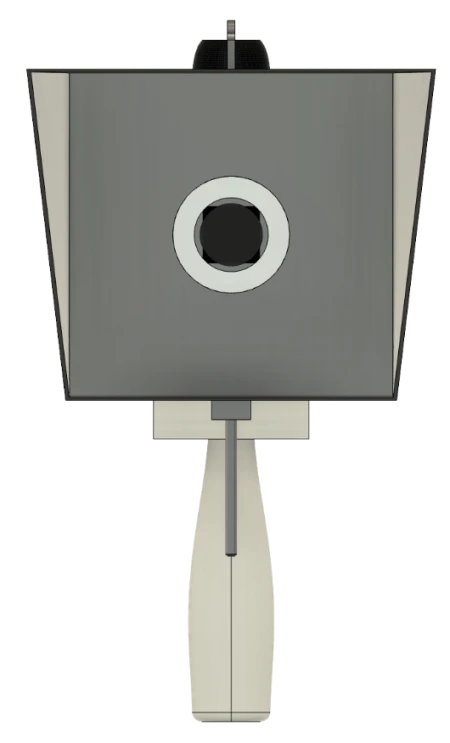
Front view of the marbling device with a handle and ring light
Device design
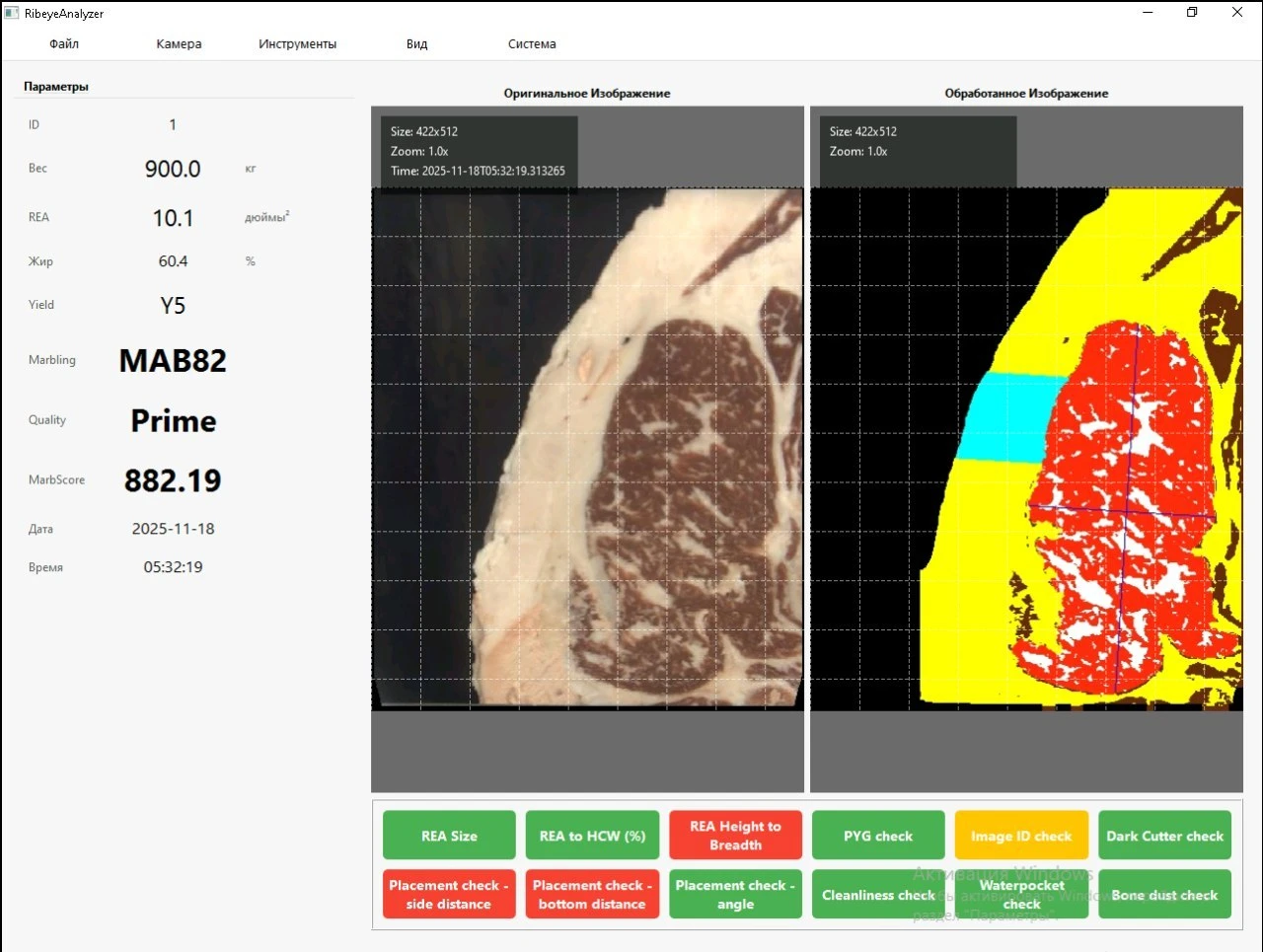
Real RibeyeAnalyzer interface with the captured image and segmentation result
Result in RibeyeAnalyzer

Device design and real RibeyeAnalyzer interface. Values on the screen belong to this example.

Explore the device and phone app
83 %demand for optimal grade · study
5 gradesobjective grading scale
Research institutevalidation against laboratory fat
Marbling gradingVertically integrated agricultural group

An objective marbling scale for consistent grading

5 grades30 samples3,600+ images
ChallengeMarbling was assessed by eye, subjectively and without a consistent scale. This led to grade disputes, lost margins on premium raw materials and difficulty standardising sorting.
ApproachOptical analysis of the ribeye, a cross-section of the longissimus dorsi muscle. Our model measures the proportion of fat inclusions and assigns one of five grades. The method was independently validated against laboratory fat measurements at a food systems research institute of the Russian Academy of Sciences. Edge inference powers a mobile intake application and a fixed scanner on the line.
ResultAn objective five-grade marbling scale with sorting rules. Correspondence with laboratory fat measurements supports premium sorting. Industry research links the optimal marbling grade, rather than the fattiest cut, to the highest purchase intent.
Computer vision for hygiene entry control

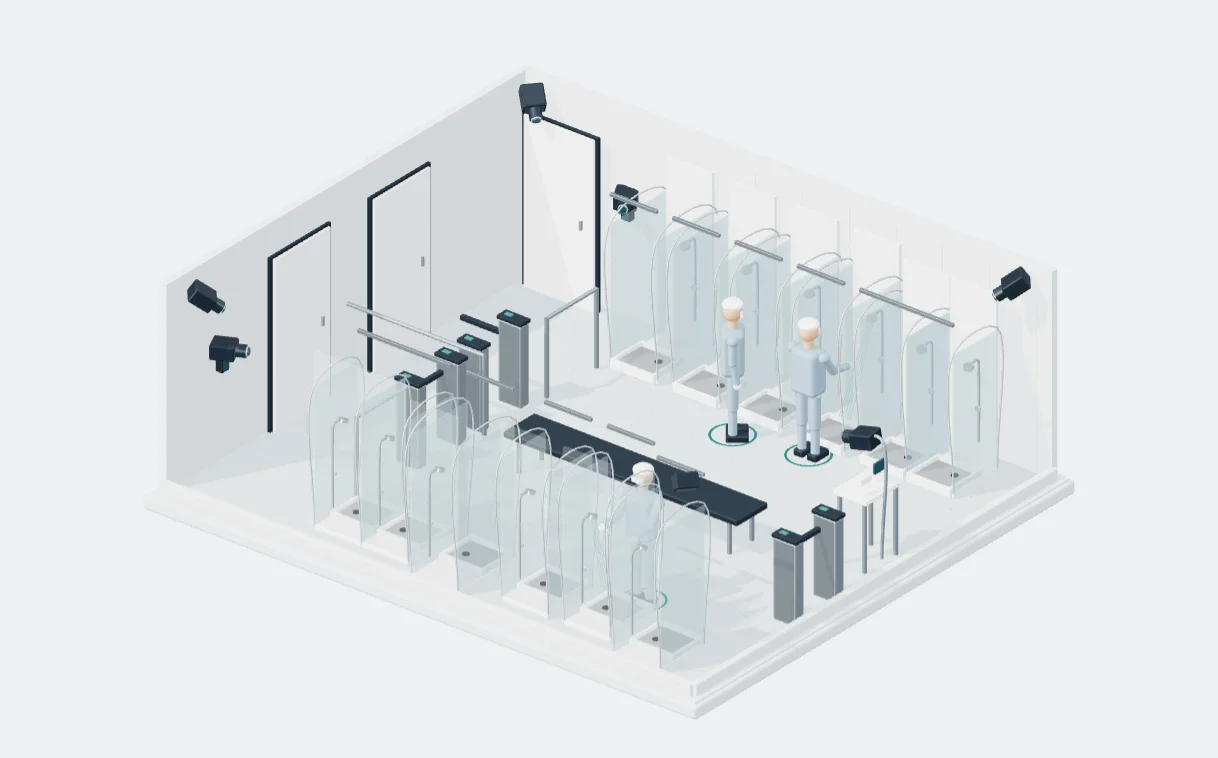
Anonymised room model based on reconstruction and layout annotations. Colours, dimensions and labels are changed; people and movements are simulated.

Explore the room in 3D
95 %+contractual accuracy target
12 peopletracking + re-identification
0dedicated operators
Hygiene complianceLarge food production complex

Computer vision for hygiene entry control

2 zones2 kiosks + 11 camerasup to 12 people
ChallengeHygiene checks at the entrance to a clean zone were carried out manually: badges, jewellery, facial hair, hand treatment and the complete washing sequence. The process was subjective, labour intensive and difficult to audit objectively.
ApproachA two-zone architecture. Zone 1 has two kiosks for badge ID and name recognition, antiseptic coverage segmentation, and jewellery and facial hair detection. Zone 2 uses 11 cameras to verify the washing sequence, with multi-camera tracking and re-identification of up to 12 people. An incorrect sequence resets the checks. The system controls access: turnstiles open only after all checks pass. One server with two GPUs, containerised services, and real-time REST and WebSocket integration.
ResultHygiene procedures and access are controlled automatically. The contractual accuracy target is at least 95%; a pilot is deployed at the site.
Recognising SKUs and empty crates at line speed

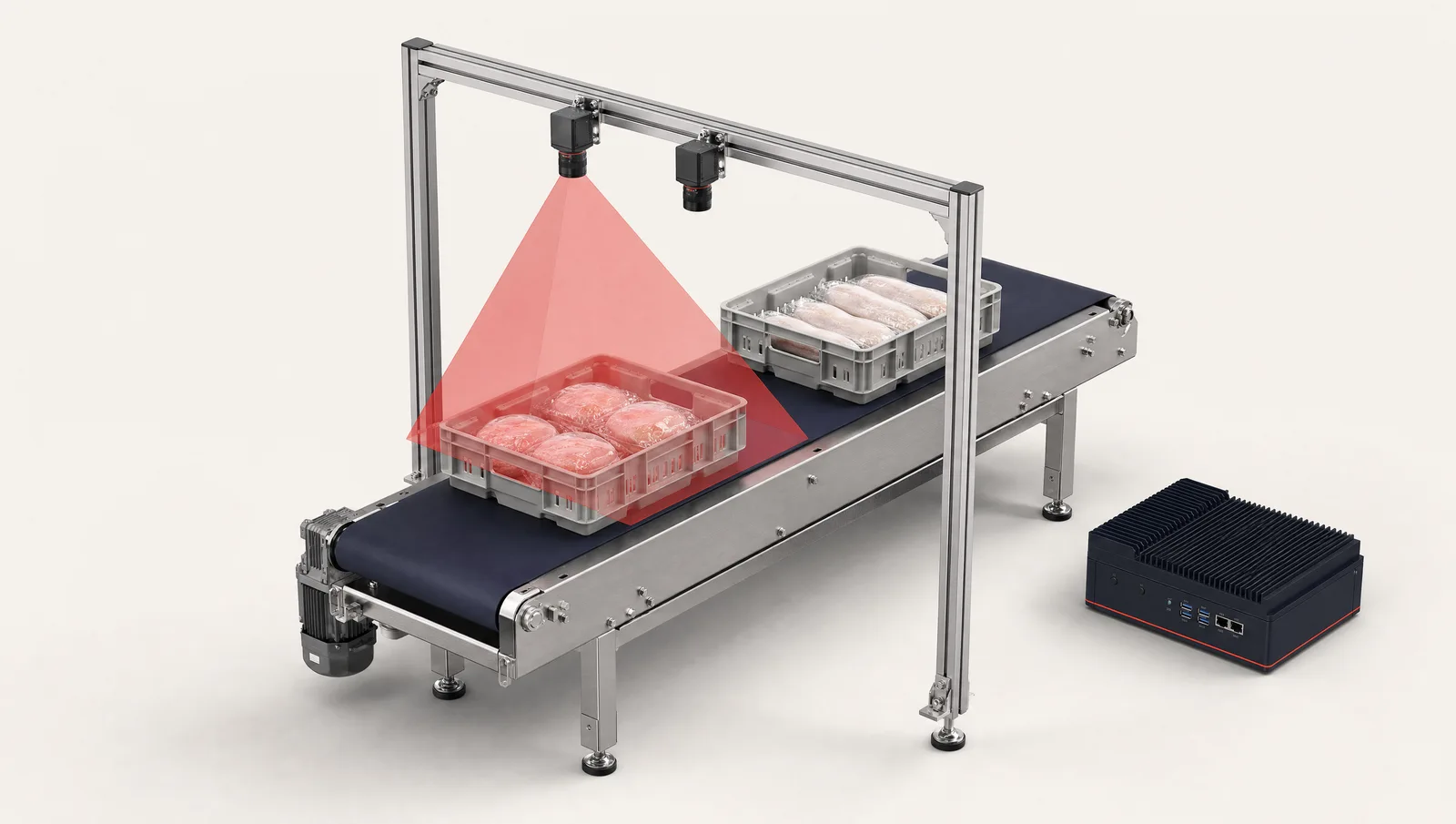
Process illustration: camera and lighting above a conveyor. It illustrates the inspection setup, not measured model output.

99,4 %SKU recognition accuracy
OPC · ERPintegration + weighing terminal
80+SKUs in production
Conveyor identificationMeat processing plants

Recognising SKUs and empty crates at line speed

80+ SKUsOPC / ERP / scales
ChallengeManual product identification on conveyors involved dozens of SKUs, a risk of misclassification and difficulty detecting empty crates at line speed.
ApproachOur computer vision detectors recognise products in crates and detect empty crates with a GPU optimised runtime. The system integrates with the plant's OPC server, ERP and weighing terminal. The server can be hosted by the plant or MooMind. SKU recognition accuracy exceeds 99.4%; the interval from crate stop to MES data delivery is 200 ms.
ResultAutomatic product identification and empty crate checks on the line, integrated with business systems. Previously, an operator selected the SKU on a touchscreen, taking 30 seconds to several minutes and introducing a risk of misclassification and waste. The system has been deployed at several plants with individual configurations.